

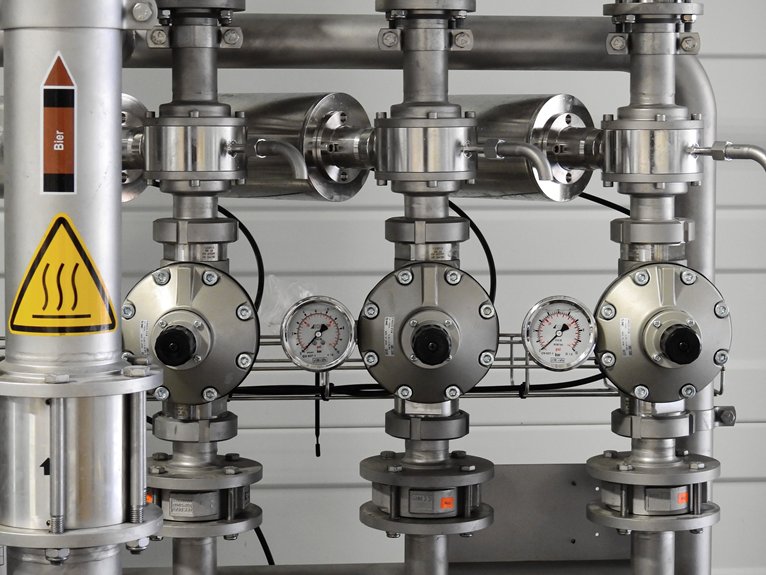
In the realm of complex plant room configurations, precise pipework takeoffs are essential for the success of your project. Employing effective estimation techniques allows you to circumvent costly errors and ensures compliance with industry standards. By leveraging contemporary 3D modelling and collaborative tools, you can enhance your team’s capability to visualise designs and optimise resource allocation.
Nevertheless, addressing these challenges can be demanding. So, what measures can you implement to guarantee accuracy in your pipework takeoffs?
Firstly, investing in robust software solutions designed for detailed pipework analysis can significantly streamline the takeoff process. Such tools not only aid in producing accurate measurements but also facilitate clear visual representations, which are invaluable for communication among team members.
Secondly, fostering a culture of collaboration within your team is vital. Regular discussions and feedback sessions can clarify design intentions and expectations, minimising the likelihood of misinterpretations down the line.
Additionally, conducting thorough reviews of existing designs against regulatory requirements can help identify potential compliance issues early on. By ensuring that all elements meet the necessary standards, you can prevent complications that might arise later in the project.
Lastly, continuous professional development is key. Encouraging your team to stay updated with the latest industry trends and technologies ensures that their skills remain sharp and relevant, ultimately contributing to more efficient and effective pipework takeoffs.
In summary, through the use of advanced tools, effective communication, comprehensive reviews, and ongoing training, you can elevate the quality and accuracy of your pipework takeoffs, setting your project on a path to success.
Key Takeaways
- Utilise 3D modelling software to visualise and accurately estimate the intricate designs of plant room configurations.
- Implement advanced tools and integrated databases for precise material specifications, enhancing estimation accuracy.
- Prioritise efficient material scheduling to minimise waste, aligned with the project timeline to ensure timely delivery.
- Foster collaboration through cloud-based platforms, ensuring all team members are in sync regarding estimates and design modifications.
- Conduct comprehensive assessments of alternative materials to achieve a balance between performance, durability, and cost-effectiveness for the long-term success of the project.
Why Accurate Pipework Takeoffs Matter for Your Projects
Accurate pipework takeoffs play a crucial role in the success of your projects. By ensuring precise measurements, you boost project efficiency and facilitate better cost management.
When you optimize designs, you’re not just creating a blueprint; you’re setting the stage for smooth execution and resource allocation. Solid takeoffs help with risk assessment, allowing you to identify potential issues before they become problems.
When it comes to labor considerations, knowing exactly what’s needed keeps your workforce focused and productive. You’ll also improve timeline accuracy, ensuring that milestones are met without setbacks.
Compliance standards can be intimidating, but with accurate takeoffs, you can easily conform to industry regulations, keeping your project on track and within budget.
Embracing precise takeoffs isn’t just a technical requirement; it’s a pathway to belonging in a community of professionals dedicated to excellence.
Top Technologies to Improve Pipework Estimation Accuracy
As technology continues to evolve, incorporating advanced tools can significantly improve the accuracy of your pipework estimations. Digital tools like 3D modeling software allow you to visualize complex designs, helping you identify potential issues early on. This not only saves time but also reduces the risk of costly errors.
Collaboration techniques are equally important. Investing in cloud-based platforms enables your team to work together seamlessly, sharing insights and updates in real-time. This fosters a sense of belonging among team members, as everyone’s input can refine the overall project outcome.
Utilizing integrated databases for material specifications also streamlines the estimation process, ensuring you’re always using the most accurate data.
Together, these technologies boost precision in your estimations, allowing you to deliver higher-quality results. By embracing these advancements, you’ll not only uplift your own work but also contribute to your team’s success in the competitive landscape of complex plant room projects.
Common Challenges in Pipework for Complex Plant Rooms
While tackling pipework in complex plant rooms, you’ll often encounter a range of challenges that can complicate the estimation and installation processes.
Installation hurdles, like design complexity and spatial constraints, can lead to workflow inefficiencies. If you’re not on the same page with your team, collaboration barriers can result in communication gaps that hinder progress.
Maintenance challenges often arise when code compliance isn’t properly addressed, making future servicing more difficult.
Accessibility issues can also limit how easily you can work within the plant room, further complicating material handling. You need to be aware of these factors, as each can impact not just the installation phase, but the entire project lifecycle.
Choosing the Right Materials for Cost-Effective Solutions
When it comes to selecting materials for your pipework, durability plays a crucial role in ensuring long-term cost-effectiveness.
You’ll want to explore alternative materials that offer both performance and savings.
Plus, assessing your suppliers’ reliability can help you make informed decisions that keep your project on track and within budget.
Material Durability Considerations
Choosing the right materials for your pipework can make all the difference in achieving a cost-effective and durable solution. Prioritizing material performance and considering environmental impact will ensure your plant room meets both operational and ecological standards. Here’s a quick comparison of materials you might consider:
| Material | Durability |
|---|---|
| Stainless Steel | High resistance to corrosion |
| PVC | Lightweight, less durable |
| Copper | Excellent heat conductivity |
| Polyethylene | Good chemical resistance |
Understanding the strengths and weaknesses of each material allows you to choose wisely. By selecting durable materials that align with your project goals, you’ll foster a reliable system while also supporting sustainable practices. Your choices matter, so let them reflect your commitment to quality and the environment!
Cost-Effective Alternatives Overview
Finding cost-effective alternatives in pipework materials doesn’t mean you have to compromise on quality.
By focusing on value engineering and design optimization, you can achieve efficient solutions without sacrificing performance.
Here are some materials to consider:
- PVC Pipes: Lightweight and resistant to corrosion, ideal for low-pressure systems.
- Copper: Durable and proven, great for high-temperature applications but may be pricier.
- Steel: Strong and robust, excellent for heavy-duty use, especially when a longer lifespan is desired.
- PEX Tubing: Flexible and easy to install, saving time and labor costs.
Supplier Reliability Assessment
While sourcing materials, assessing supplier reliability is crucial to ensuring your cost-effective solutions hold up over time. By implementing a thorough supplier evaluation, you can identify potential red flags and make informed decisions. Conducting a risk assessment helps you weigh the benefits against possible challenges, ultimately fostering a connection with trustworthy suppliers.
Here’s a simple breakdown of considerations:
| Factor | Considerations |
|---|---|
| Quality Assurance | Evaluate certifications and reviews |
| Delivery Reliability | Check track records on timely shipments |
| Cost Competitiveness | Compare pricing without compromising quality |
| Customer Support | Assess responsiveness and assistance availability |
Building these relationships strengthens your projects and helps create a reliable network for future endeavors.
How to Use Software for Accurate Estimation
When you utilize software for accurate estimation in pipework projects, you’re improving your efficiency and reducing the margin for error. By embracing software integration and estimation automation, you’ll ensure your takeoffs are precise and reliable.
Here are a few key benefits to consider:
- Streamlined workflows: Automate repetitive tasks, saving you time and effort.
- Real-time data: Access up-to-date information, minimizing discrepancies in your estimates.
- Collaboration enhancements: Work seamlessly with your team, ensuring everyone stays aligned.
- Accurate calculations: Reduce the risk of errors, leading to better overall project outcomes.
Using software for estimation not only simplifies the process but also fosters a sense of belonging within your team.
When everyone uses the same tools, you’ll feel more connected and empowered to tackle complex plant room configurations with confidence!
Tips for Better Pipework Takeoffs
To get the most accurate pipework takeoffs, focus on refining your measurement techniques.
Each detail counts, and efficient material scheduling can save you time and costs.
Accurate Measurement Techniques
Accurate measurements are the backbone of effective pipework takeoffs, ensuring your project runs smoothly and stays within budget.
By using the right measurement tools and precision methods, you can avoid costly mistakes and improve teamwork. Here are some tips to get you started:
- Use digital measuring devices for quicker, more accurate data.
- Double-check measurements against your specs to eliminate errors.
- Involve team members in the measurement process for greater accuracy.
- Keep an organized record of all measurements for easy referencing.
When you embrace these techniques, you’re fostering a culture of precision that benefits everyone involved.
Efficient Material Scheduling
Getting the timing right for material scheduling can make or break your pipework takeoffs. You’re part of a community that values efficiency, so let’s explore effective strategies together.
Start by incorporating material optimization strategies to reduce waste and costs. Evaluate your project’s specific needs and plan orders accordingly.
Scheduling best practices involve setting timelines that align with project milestones, ensuring materials arrive just as they’re needed. Use software tools to streamline tracking and communication, keeping everyone on the same page.
By sharing insights and learning from each other, you’ll cultivate a collaborative atmosphere that boosts performance.
Ultimately, embracing these techniques will improve your scheduling, making your takeoffs smoother and more accurate. You’ve got this!
Conclusion
In conclusion, accurate pipework takeoffs are essential for the effective management of complex plant room projects. By incorporating advanced technologies and selecting durable materials, you can enhance estimation precision and reduce associated risks.
Address common challenges with appropriate tools and techniques to optimise your project outcomes. Remember, improved collaboration fosters better execution and cost management, ensuring your projects progress smoothly and adhere to industry standards.
Investing in the right resources is crucial to equip your team for success. Prioritising accuracy, efficiency, and effective communication will greatly benefit your pipework installation and project delivery.