General

measuring and pricing pipework

How to Accurately Measure and Price Secondary Pipework and Pipe Insulation

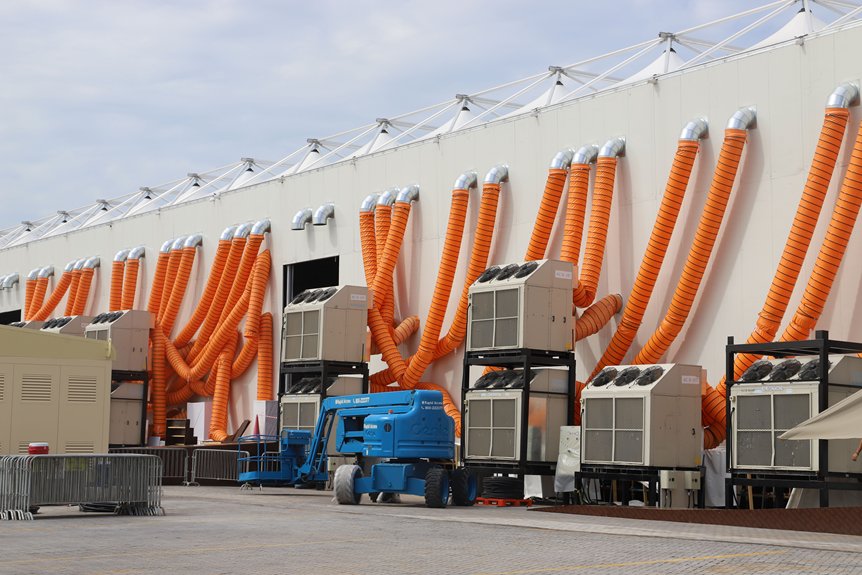
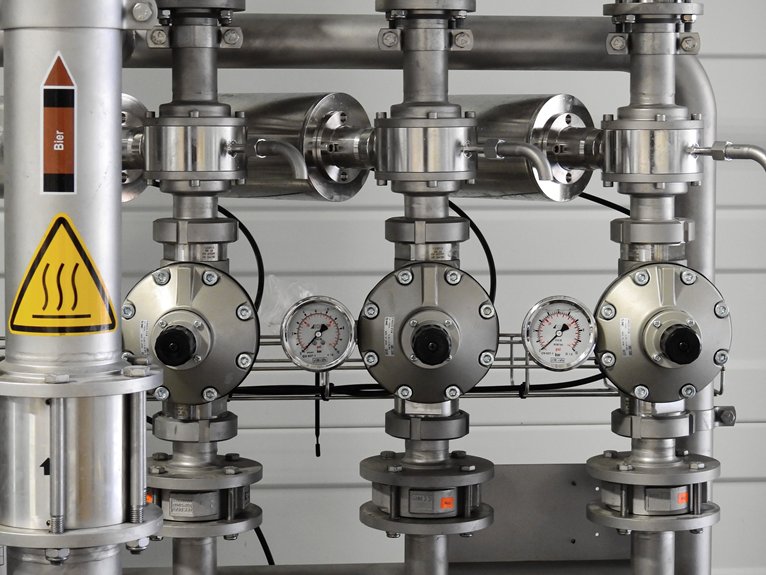
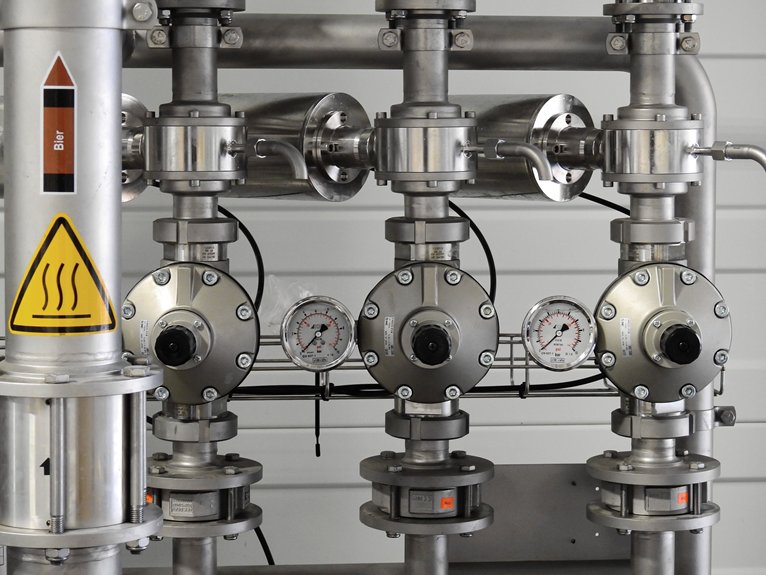
When measuring and pricing secondary pipework and insulation, accuracy is essential. It is crucial to have a sound understanding of various pipe types and to employ the appropriate tools for precise measurements.

Measuring is not solely about obtaining dimensions; the selection of insulation significantly affects energy efficiency and overall costs.

It is important to be aware of common pitfalls that can lead to inaccurate estimates. By navigating these challenges effectively, you can ensure that your projects remain on schedule and within budget.

Consideration should be given to factors such as the thermal performance of insulation materials and the specific requirements of the installation environment. Proper planning and thorough assessment at the outset will not only enhance the accuracy of your measurements but will also contribute to a more cost-effective project in the long run.

Taking the time to analyse and document every aspect related to pipework and insulation will pay dividends in the successful and efficient execution of your projects.

How to Accurately Measure and Price Secondary Pipework and Pipe Insulation Read Post »
industrial piping material estimations

Material Takeoffs for Industrial Steam and Process Piping Systems

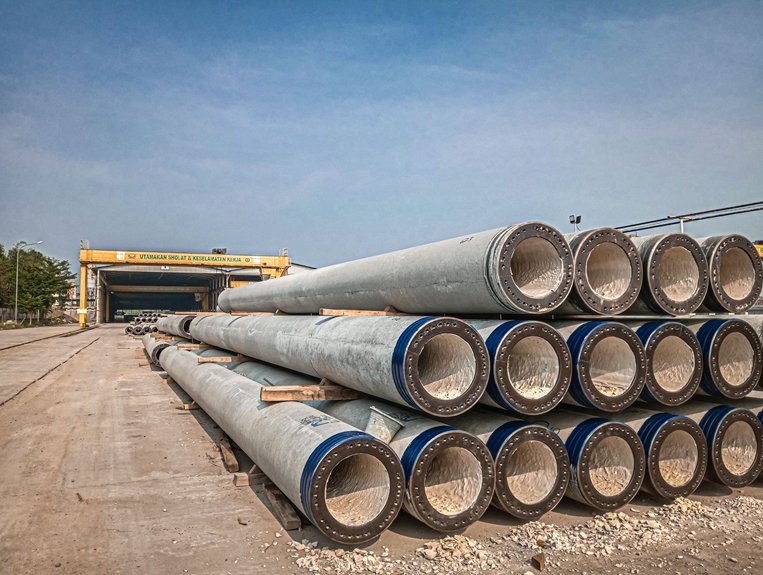
When managing industrial steam and process piping systems, accurate material takeoffs are essential. They help prevent costly errors and ensure that projects remain on track. To foster effective communication within your team and reduce mistakes, it is vital to understand the key steps and best practices involved in this process.

However, various challenges can complicate material takeoffs, making it important to recognise them and improve your overall efficiency. By focusing on detailed planning, careful measurement, and thorough documentation, you can streamline your operations and achieve better results.

In addition, employing modern software solutions can enhance the accuracy of your estimates and facilitate collaboration among team members. Staying updated with industry advancements and regulations will also support more precise takeoffs, ensuring that your projects meet the required standards.

Ultimately, developing a systematic approach to material takeoffs will not only bolster your project’s success but will also help cultivate a more proficient and cohesive team.

Material Takeoffs for Industrial Steam and Process Piping Systems Read Post »

chiller and ahu installation estimation

How to Estimate Chiller and Air Handling Unit (AHU) Installations

Estimating chiller and air handling unit (AHU) installations requires a clear understanding of the various components involved. To begin, precise load calculations are essential to ensure that your system meets operational demands effectively.

Additionally, assessing site conditions and planning for installation phases can significantly enhance efficiency.

Key factors that can impact both your budget and project timeline include:

– **System Specifications**: Understanding the technical requirements of the chiller and AHUs is vital. This includes selecting the correct capacity and efficiency ratings to suit your needs.

– **Site Assessment**: Conducting a thorough evaluation of the installation site can uncover potential challenges, such as space restrictions, access points, and existing infrastructure, which may affect the installation process.

– **Regulatory Compliance**: Be mindful of local building regulations and environmental standards that could influence the project. Ensuring compliance can avoid unexpected delays and costs.

– **Installation Methodology**: Choosing the right installation techniques, including the integration of the chiller and AHUs with existing systems, will play a crucial role in the overall success of the project.

– **Supplier Relationships**: Establishing good communication and relationships with suppliers can lead to better pricing and availability of components, which can positively affect your project budget.

– **Maintenance Considerations**: Planning for ongoing maintenance requirements at the installation stage can prevent costly disruptions in the future, ensuring the longevity and reliability of the system.

By considering these essential factors, you can navigate the complexities of chiller and AHU installations with greater confidence, ensuring that your project runs smoothly and efficiently.

How to Estimate Chiller and Air Handling Unit (AHU) Installations Read Post »

costing chilled water systems

The Complexity of Costing Chilled Water Systems for UK Data Centres

Costing chilled water systems for data centres in the UK is more intricate than it initially appears. A range of factors need to be taken into account, including installation processes, adherence to regulatory standards, and the system’s compatibility with existing infrastructure. Each of these components can profoundly influence your budget, both in the short term and over time.

It is essential to grasp these complexities when making informed decisions that will affect your data centre’s efficiency and operating costs.

Key factors to consider for accurate budgeting include:

– **System Efficiency**: Assess how efficiently the chilled water system will operate, as this can affect energy consumption and overall costs.

– **Regulatory Compliance**: Ensure that your system meets the necessary local building codes and environmental regulations, which can influence installation costs.

– **Maintenance Requirements**: Factor in ongoing maintenance and potential downtime, as these can impact both your budget and system performance.

– **Scalability**: Consider whether the system can adapt to future demands, as this will affect long-term investment strategies.

– **Integration**: Evaluate how well the new system will integrate with your current infrastructure to minimise disruptions and additional costs.

Understanding these elements is vital for effective planning and successful budgeting in your data centre operations.

The Complexity of Costing Chilled Water Systems for UK Data Centres Read Post »

freelancer estimating air conditioning

Estimating VRF and VRV Air Conditioning Systems: A Freelancer’s Approach

When estimating VRF and VRV air conditioning systems as a freelancer in the UK, it is crucial to grasp the fundamentals. Understanding essential cost factors and selecting the appropriate tools will ensure precision in your estimates. Navigating common challenges can be complex, but with the right methodology, you can effectively streamline your workflow.

Enhancing your estimating skills will enable you to create dependable proposals that foster client trust, setting you apart in a competitive landscape. Delve into the intricacies of these systems, and develop a thorough understanding of various components and their respective costs. This knowledge, combined with a meticulous approach, will empower you to deliver high-quality service and maintain a reputation for excellence in your field.

Estimating VRF and VRV Air Conditioning Systems: A Freelancer’s Approach Read Post »

commercial heat pump pricing

How to Price Air Source and Ground Source Heat Pumps in Commercial Tenders

When pricing air source and ground source heat pumps for commercial tenders, it is essential to consider a range of factors that can affect overall costs. Understanding the distinctions between these two systems, along with accurately estimating installation expenditures, is pivotal in the process.

You should also evaluate the long-term savings associated with energy efficiency and be mindful of common pricing pitfalls. Navigating these elements may seem daunting, but ensuring precision in your calculations can greatly influence the success of your project.

As you proceed, it is beneficial to engage with industry experts, gather precise specifications, and consider the specific requirements of your project to arrive at a competitive and comprehensive tender. This careful approach will help you present a well-informed proposal that reflects an understanding of both the market and your client’s needs.

What will be your next step in developing a robust pricing strategy?

How to Price Air Source and Ground Source Heat Pumps in Commercial Tenders Read Post »

complex plant room costing

Advanced Pipework Takeoffs: Costing Complex Plant Room Configurations

When it comes to complex plant room configurations, accurate pipework takeoffs are vital for the success of your project. Employing the right estimation techniques allows you to avoid costly errors and maintain compliance with industry standards. By leveraging modern 3D modelling and real-time collaboration tools, you enhance your team’s ability to visualise designs and optimise resource allocation.

However, navigating these challenges can be tricky. To ensure precision in your pipework takeoffs, consider the following steps:

– Conduct thorough site surveys to gather accurate measurements.
– Utilise advanced software for detailed modelling and analysis.
– Foster clear communication among project stakeholders to address potential issues early on.
– Regularly update and review your designs to adapt to any changes in requirements.

By following these recommendations, you can significantly improve the accuracy and reliability of your pipework takeoffs, ultimately contributing to the overall success of your project.

Advanced Pipework Takeoffs: Costing Complex Plant Room Configurations Read Post »

accurate ventilation takeoff estimation

How to Estimate Commercial Ventilation and Ductwork Takeoffs Accurately

Estimating commercial ventilation and ductwork takeoffs accurately is vital for any HVAC project in the UK. To begin, assess the space and comprehend its airflow requirements based on occupancy and intended use. Employing dependable takeoff software can significantly reduce errors and ensure compliance with industry regulations.

It is equally important to understand how to size ducts appropriately and take into account bends and turns within the system.

Here are the key steps to ensure precise estimation:

1. **Measure the Space**: Accurately measure the dimensions of the area to determine the volume of air needed for efficient ventilation.

2. **Understand Airflow Requirements**: Consider factors such as the number of occupants, types of activities, and any specific requirements for different zones within the space.

3. **Select Suitable Duct Sizes**: Use appropriate tables or software to help identify the right duct sizes based on airflow and pressure loss calculations.

4. **Account for Bends and Turns**: Ensure to factor in the impact of bends, transitions, and other fittings, as these can affect airflow and system efficiency.

5. **Review Local Regulations**: Stay informed about local building codes and standards to ensure your design meets compliance.

By following these essential steps, you can achieve precise estimates for ventilation and ductwork takeoffs, contributing to the overall success of your HVAC project.

How to Estimate Commercial Ventilation and Ductwork Takeoffs Accurately Read Post »

freelance hvac estimating errors

Top 5 Takeoff Mistakes Freelance HVAC Estimators Constantly Catch

As a freelance HVAC estimator, you are likely well acquainted with the challenges of achieving accuracy in your takeoffs. It is essential not to overlook critical elements such as material quantities and system specifications. Even the slightest error can significantly impact your project’s budget and timeline.

Being aware of common takeoff mistakes is crucial for your success in the industry. By arming yourself with knowledge, you can avoid these pitfalls and ensure your estimates remain precise.

What are the most significant mistakes you could be making? Understanding these errors can enhance your efficiency and improve the quality of your work.

Stay vigilant and attentive to detail, and you will be better positioned to navigate the complexities of HVAC estimation.

Top 5 Takeoff Mistakes Freelance HVAC Estimators Constantly Catch Read Post »

freelance estimator time management

Managing Retainers: Securing a Freelance Estimator’s Time for Ongoing Monthly Bids

Managing retainers with freelance estimators is vital for your continuous projects. By establishing clear expectations and deliverables from the outset, you can align your objectives and keep the work on track. Regular check-ins and progress updates are crucial to maintaining accountability and ensuring that you are both aligned.

When considering the essential components of a successful retainer agreement, think about how to adapt the terms for future requirements. What should you prioritise in your subsequent steps?

Establishing a framework for collaboration will enable a seamless working relationship. Emphasising communication, setting clear deadlines, and defining the scope of work will enhance efficiency and productivity.

By focusing on these core areas, you can secure a reliable partnership with your freelance estimator, ensuring that your bids are consistently accurate and timely. Aim to create a mutually beneficial arrangement that supports both your needs and those of the estimator.

As you move forward, reflect on these strategies and continue to refine your approach for optimal results.

Managing Retainers: Securing a Freelance Estimator’s Time for Ongoing Monthly Bids Read Post »

Scroll to Top