

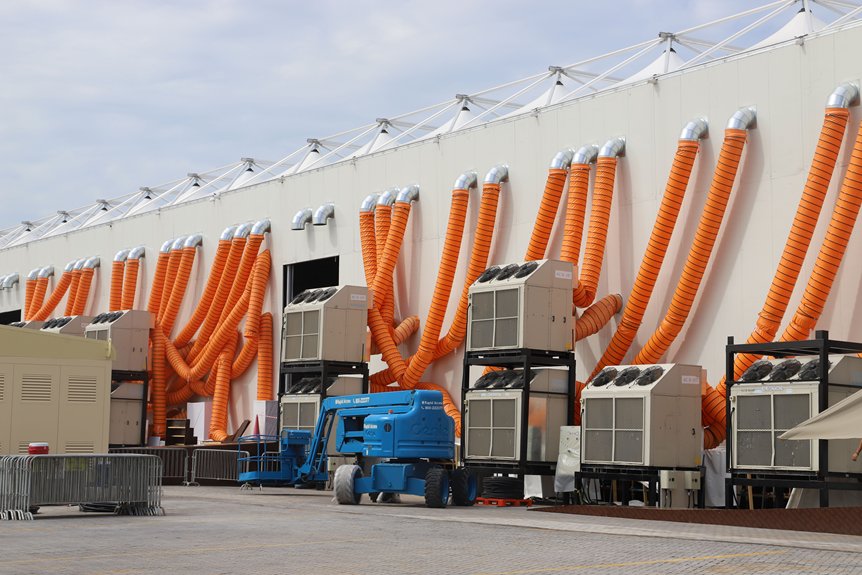
Estimating chiller and air handling unit (AHU) installations requires a clear understanding of the various components involved. It is essential to begin with accurate load calculations to ensure that your system meets operational demands effectively.
Assessing site conditions and meticulously planning the installation phases can significantly enhance overall efficiency. However, it is important to consider the key factors that may impact your budget and project timeline.
Common considerations include the specific requirements of the building, the integration of existing systems, and the regulatory compliance that must be observed. Additionally, ensuring proper access for equipment delivery and installation can influence both costs and scheduling.
By focusing on these critical elements, you can develop a more precise estimate for your chiller and AHU installation project, ultimately leading to a smoother and more successful outcome.
Key Takeaways
- Conduct precise load calculations to ascertain the necessary capacity for chillers and air handling units (AHUs) based on occupancy levels and heat generated by equipment.
- Evaluate site conditions to determine spatial requirements and ensure compatibility of equipment to allow for a smooth installation process.
- Examine energy efficiency ratings to comprehend potential operational cost savings and adherence to energy efficiency standards.
- Outline the phases of installation, taking into consideration site complexity, availability of labour, and the need for permits to provide accurate timelines and cost estimates.
- Allocate a contingency budget to accommodate unexpected expenses that may arise during the installation process.
Understanding the Basics of Chillers and AHUs
Chillers and air handling units (AHUs) are essential components in modern HVAC systems, playing a crucial role in maintaining comfortable indoor environments. Understanding the different chiller types, such as air-cooled and water-cooled, helps you make informed choices.
AHU functions include filtering, heating, and cooling the air before it circulates through your space. Efficiency ratings are vital too; they show how well these units perform while minimizing energy consumption and lowering operational costs.
With system controls, you can manage temperature and airflow efficiently. Regular maintenance requirements can’t be overlooked—keeping your equipment in top shape not only reduces environmental impact but also extends the lifespan of your system.
Key Cost Factors for Chiller and AHU Installations
When planning for chiller and AHU installations, several key cost factors come into play that you should consider. These factors not only influence your initial investment but also dictate long-term performance and sustainability.
| Cost Factors | Importance |
|---|---|
| Energy Efficiency | Reduces operational costs and environmental impact |
| Maintenance Costs | Impacts total ownership and system longevity |
| Regulatory Compliance | Ensures systems meet standards and avoid fines |
Choosing the right vendor affects your installation techniques and operational reliability. Quality equipment may pose a higher upfront cost, but it often yields better energy efficiency and lower maintenance costs. Aim for a balance between compliance and performance to improve system longevity and minimize future expenses. By considering these aspects, you can make informed decisions that benefit both your budget and the environment.
How to Determine System Requirements and Capacity
To determine the system requirements and capacity for your chiller and air handling unit (AHU), you’ll need to start with accurate load calculations.
Assessing equipment specifications is equally important, as it ensures the selected systems meet your specific needs.
Load Calculation Methods
Understanding load calculation methods is essential for estimating chiller and air handling unit (AHU) requirements accurately. To determine the cooling capacity for your project, assess the heat load generated by equipment types and occupants.
Utilizing efficiency metrics helps ensure compliance with energy standards and optimizes performance evaluation. You should also incorporate design criteria that reflect your specific needs, making sure to consider the environmental impact of the systems being installed.
Equipment Specifications Assessment
Accurately assessing equipment specifications is key to determining the right system requirements and capacity for your project.
Start by evaluating your chiller and air handling units based on their equipment capacity. Consider the size of your space and the expected load to ensure they can meet performance demands.
Conduct a thorough performance analysis, identifying factors like airflow, temperature ranges, and energy efficiency.
It’s crucial to collaborate with your team and share insights, fostering a sense of belonging as everyone contributes to the project’s success.
Lastly, don’t overlook manufacturer guidelines and local codes; they’re vital in ensuring compliance and optimizing performance.
Why Are Site Assessments Important?
Site assessments are crucial for identifying your specific space requirements before installation.
Identify Space Requirements
When planning the installation of chillers and air handling units (AHUs), assessing the available space is crucial.
You want to ensure your layout promotes efficiency and provides a cohesive environment for everyone. Effective space optimization and layout planning not only improve functionality but also foster a sense of belonging in the workspace.
- Feel the comfort of a well-functioning HVAC system.
- Enjoy the productivity that comes with a perfect fit.
- Appreciate the aesthetics of a thoughtfully arranged space.
- Experience the satisfaction of knowing you made the right choice.
- Cultivate an atmosphere that supports teamwork and collaboration.
Assess System Compatibility
Understanding system compatibility is essential for a successful chiller and AHU installation. You want to ensure that your existing systems can integrate seamlessly with new equipment. This isn’t just about fitting pieces together; it’s crucial for optimal performance.
Conducting a thorough performance evaluation helps you identify any potential issues in advance. Assess how the new chiller or AHU will connect with current ductwork, piping, and electrical systems.
If you overlook compatibility, you might face costly modifications later. By prioritizing this assessment, you create a more efficient and effective environment, benefiting everyone involved.
It’s all about fostering a space that not only meets your needs but also improves comfort and productivity for your entire team. Embrace this step for a smoother installation process!
How to Estimate Installation Timelines
Estimating installation timelines for chillers and air handling units (AHUs) is crucial to keeping your project on track and minimizing downtime.
To effectively plan, break down the installation phases and integrate them into your project scheduling.
Consider the following factors that can affect your timeline:
- The complexity of the installation site
- Availability of skilled labor
- Delivery times for equipment
- Seasonal weather conditions
- Coordination with other contractors
What Extra Costs Should You Expect?
What unexpected expenses should you anticipate during chiller and AHU installations?
First off, don’t overlook contractor fees, as they can vary significantly depending on your location and the complexity of the project.
Next, you’ll need to factor in installation permits, which can add to the overall budget if your local regulations require them.
Additionally, it’s wise to incorporate contingency planning into your estimates, typically around 10-15% of your total budget, to cover any unforeseen costs that may arise.
If you’re considering system upgrades to improve efficiency, be prepared for those extra expenses as well.
Lastly, keep in mind the ongoing operational costs such as energy consumption and maintenance that will impact your wallet long after the installation’s complete.
Staying informed about these unexpected expenses will help you feel more prepared and connected with others who are going through the same process.
Top Mistakes to Avoid in Chiller and AHU Estimations
When budgeting for chiller and AHU installations, it’s easy to overlook key aspects that can lead to costly mistakes. Failing to address these issues can put a strain on your project’s success and your team’s morale.
Here are the top mistakes you should steer clear of:
- Ignoring common misconceptions about equipment capacity
- Relying on outdated specifications for initial calculations
- Not factoring in maintenance costs along with installation
- Overlooking the importance of proper installation site assessment
- Underestimating the impact of energy efficiency on long-term costs
Conclusion
In summary, accurately estimating chiller and Air Handling Unit (AHU) installations is essential for the success of your project. By grasping the fundamentals, assessing site requirements, and considering costs and timelines, you can facilitate a smooth installation process.
It is important to account for potential extra expenses and to develop a contingency plan for any unforeseen challenges. Steer clear of common pitfalls, and you will position yourself for an efficient and effective HVAC system that satisfies your requirements.
By focusing on these key aspects, you can ensure that your chiller and AHU installations are conducted seamlessly, delivering optimal performance and reliability for your needs.