

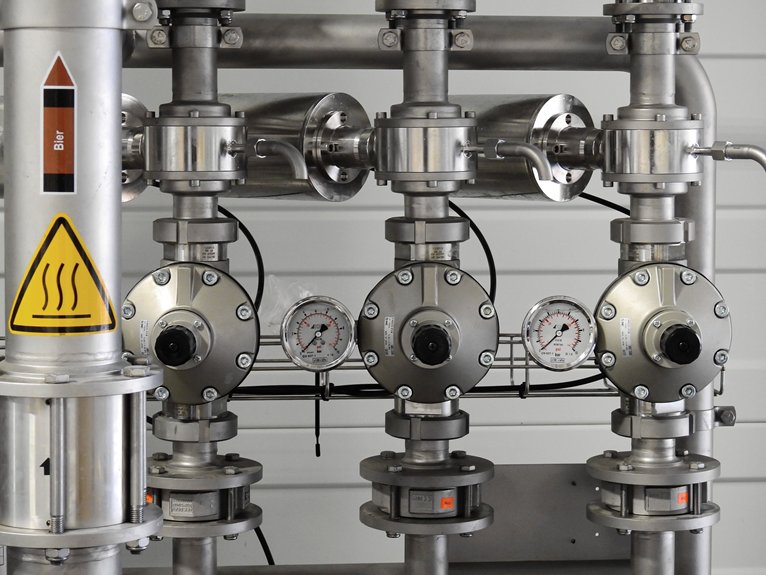
When it comes to measuring and pricing secondary pipework and insulation, accuracy is paramount. It is essential to comprehend the various types of pipes and employ the appropriate tools for precise measurements. However, this process involves more than just obtaining the correct dimensions; the choice of insulation is a critical factor in influencing energy efficiency and overall costs.
It is important to remain vigilant against common pitfalls that can skew your estimates. Understanding the specific requirements and characteristics of each project will greatly assist in avoiding these challenges.
Navigating these complexities effectively can help ensure that your projects remain on track and within budget. By taking a methodical approach, you can truly optimise your processes and achieve better results in your undertakings.
Key Takeaways
- Utilise precise tools such as tape measures and digital callipers to ensure accurate measurements of pipework and insulation.
- Regularly verify measurements and comply with industrial standards to maintain consistency and uphold quality.
- Stay informed about material costs and labour variations to produce precise budget estimates for projects.
- Document measurements and pricing in a shared digital format to enhance collaboration and transparency among team members.
- Establish clear protocols and nurture a culture of continuous improvement to instil confidence in managing complex pipework projects.
Understanding Secondary Pipework Fundamentals
While you may be familiar with the basics of plumbing, understanding the fundamentals of secondary pipework is crucial for efficient system design and maintenance. Different pipework types, such as copper, PVC, and PEX, serve various purposes and environments in your system. Knowing which type to use can save you time and money.
When you consider insulation materials, it’s important to choose wisely. Proper insulation helps prevent heat loss and reduces condensation, leading to increased energy efficiency. Options like fiberglass, foam, and rubber each have unique benefits, and selecting the right one can improve your system’s performance.
Being part of a community that values practical skills, you’ll find that mastering these fundamentals not only boosts your confidence but also empowers you to tackle more complex projects.
How to Measure Pipe Dimensions Accurately
Accurate measurement of pipe dimensions is essential for ensuring that your plumbing system operates efficiently and effectively. Start with diameter measurement using a tape rule or digital calipers. Measuring the pipe circumference helps you choose the right pipe fittings and prevents leaks.
To maintain dimension accuracy, adhere to industrial standards in your measuring techniques. Here’s a quick reference guide to keep you on track:
| Measurement Type | Tools Used | Considerations |
|---|---|---|
| Diameter Measurement | Tape Rule, Calipers | Ensure measurement consistency |
| Pipe Circumference | Tape Measure | Align properly to prevent errors |
| Pipe Materials | Various Instruments | Different materials may require specific methods |
Tips for Accurate Pipe Insulation Measurements
When measuring for pipe insulation, knowing your measurement tools can make a big difference.
You’ll also want to take into account specific pipe dimensions and materials to ensure a snug fit. Getting these details right will help you achieve more accurate results and avoid wasting materials.
Understand Measurement Tools
Getting accurate measurements for pipe insulation is crucial for a successful installation. To achieve this, you need to familiarize yourself with reliable measurement tools and techniques. Using the right tools improves your measurement accuracy and helps prevent costly mistakes. Here’s a table to guide you:
| Measurement Tool | Purpose |
|---|---|
| Tape Measure | For linear measurements |
| Caliper | For precise diameter checks |
| Level | Ensures proper alignment |
Make sure to employ these measurement techniques consistently. This way, you’ll foster a sense of belonging within your team, ensuring everyone shares the same standards for quality in pipe insulation projects. Always prioritize accuracy, as it’s the foundation of a job well done!
Consider Pipe Specifications
While you may have the right tools to measure pipe insulation, considering pipe specifications is equally important for achieving accurate results.
Different pipe types, like PVC and copper, require varying insulation thicknesses due to their unique pipe materials and thermal conductivity. Ignoring these factors can lead to wasted resources and inefficiencies. Be sure to check the manufacturer’s guidelines for the specific insulation needed for each pipe type, as improper selection can affect performance and energy costs.
Additionally, measuring curves and joints accurately can prevent gaps in insulation, which might undermine heat retention. By paying attention to these essential details, you’ll ensure that your measurements are as accurate and reliable as possible, creating a sense of belonging in a community that values precision.
How Insulation Affects Pipework Pricing
Insulation plays a significant role in determining pipework pricing, often impacting overall costs by 10% to 30%. When choosing insulation, consider its properties like moisture resistance and energy efficiency, as these factors directly influence your project’s budget. The type of material selection also matters—some materials may offer better temperature control or easier installation techniques, saving you time and money in the long run.
Here’s a quick look at how insulation affects costs:
| Factor | Impact on Pricing |
|---|---|
| Insulation Type | Determines material choice |
| Energy Efficiency | Influences long-term savings |
| Installation Techniques | Affects labor costs |
What Are Common Estimation Pitfalls in Pricing Pipework?
When pricing pipework, it’s easy to overlook some critical factors that can lead to costly mistakes.
You might underestimate material costs, ignore variations in labor, or overlook hidden expenses that add up quickly. Recognizing these common pitfalls can help you create a more accurate estimate and avoid budget overruns.
Underestimating Material Costs
Estimating material costs for pipework can easily become a minefield of errors if you’re not careful. One common pitfall is relying too heavily on cost assumptions without validating them against current prices. It’s easy to think you know the costs, but prices can fluctuate. Always update your estimates to reflect market realities.
Additionally, your pricing strategies should include a buffer for unforeseen expenses or variations in material quality. Forgetting to account for these factors can lead to budget overruns and strained relationships with clients.
To avoid costly mistakes, engage with suppliers and industry peers. Sharing insights and experiences can solidify your approach, enabling you to create more accurate and dependable quotes that foster trust within your community.
Ignoring Labor Variations
Many contractors overlook the impact of labor variations when pricing pipework, which can lead to significant discrepancies in budget forecasts.
It’s essential to account for the skilled labor needed to address thermal expansion and corrosion considerations. Skilled workers who know how to handle these challenges may charge more, but their expertise can save you from costly mistakes down the line.
Failing to factor this in not only skews your numbers but can strain relationships with clients when projects go over budget. So, take the time to evaluate labor costs thoroughly.
Understanding the true scope of labor variations can help create a more accurate estimate, ensuring you belong in a circle of professionals who value precision and reliability in their work.
Overlooking Hidden Expenses
While you might’ve a solid grasp on the main costs associated with pipework, it’s easy to overlook hidden expenses that can inflate your budget. These hidden costs, like permits, inspections, or unexpected modifications, can sneak up on you and throw your project off course.
To avoid this, it’s vital to practice diligent expense tracking throughout the project’s lifespan. Make it a habit to review your initial estimates against actual spending regularly. This helps you spot any discrepancies and understand where your money’s going.
How to Effectively Document Your Measurements
To ensure accuracy in your projects, documenting your measurements effectively is essential. Use reliable measurement techniques and structured documentation methods to maintain clarity. Accurate records help you and your team stay organized and avoid confusion down the road.
Here’s a simple table to illustrate types of measurements and their documentation:
| Measurement Type | Documentation Method |
|---|---|
| Length | Record in a dedicated notebook |
| Diameter | Use digital tools or apps |
| Insulation Thickness | Capture photos for reference |
Make it a habit to double-check your entries. Consider organizing your documentation in a shared digital format that everyone on the team can access. This way, you’ll foster collaboration and streamline communication. By sticking to these practices, you’ll feel more connected and confident in your work.
Conclusion
In conclusion, accurately measuring and pricing secondary pipework and insulation is vital for the success of any project. By comprehensively understanding different types of pipes, employing appropriate measuring instruments, and considering various insulation materials, you can enhance both efficiency and cost-effectiveness.
Be vigilant about common pitfalls and maintain meticulous records of your measurements. This method not only aids in staying within budget but also promotes collaboration within your team.
With these strategies, you will streamline your process and achieve improved project outcomes, ultimately ensuring that your work meets the highest standards in the industry.